
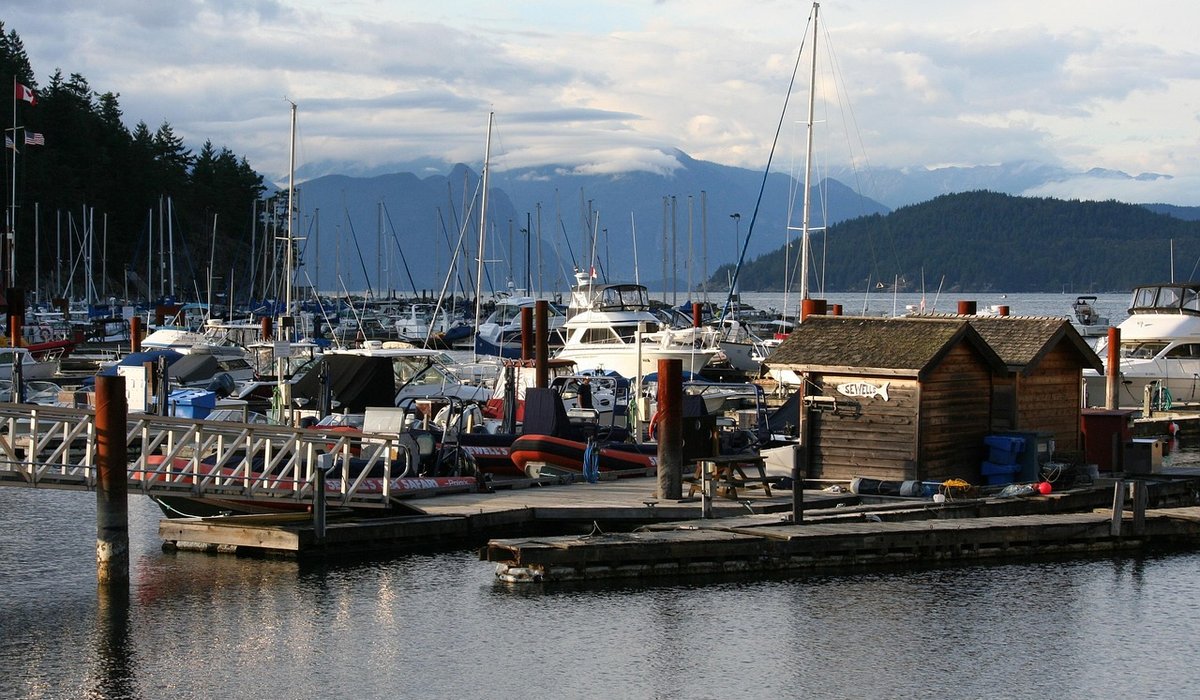
A picnic at the British seaside is one of summer’s great simple pleasures, but it can turn into a sandy, windy, seagull-plagued affair if you are not prepared. The trick is not to overcomplicate it. A good beach picnic is sturdy, easy to carry and designed around the realities of tide times, unpredictable weather and the fact that everything tastes better with a bit of sea air. Whether you are heading to a sandy bay in Cornwall, a pebbly stretch in Sussex or a windswept beach on the Northumberland coast, a little planning goes a long way.
Before you pack a single sandwich, check the tide times and the forecast. On many UK beaches, high tide can leave very little sand, while a falling tide opens up rock pools and firm walking. Aim to arrive with time to spare, especially in summer when car parks fill early. Take layers even if the sun is shining: sea breezes can be cool, and a sudden shower is always possible. A windbreak is worth its weight in gold, and a lightweight waterproof can double as a groundsheet if the sand is damp. If you are walking a coastal path to your spot, keep the load manageable. Remember that glass is banned on many beaches for good reason, and barbecues are restricted in some areas. Check local signs before you settle.
Choose food that can handle a journey in a rucksack or cool box. Think robust, savoury and easy to eat with your fingers or a single fork. Good options include:
Avoid anything that wilts, leaks or melts: soft sandwiches with lots of mayonnaise, cream cakes, chocolate and delicate salads are best left at home. Pack everything in lidded containers or reusable beeswax wraps, and keep the cool box out of direct sun. A small bottle of olive oil, a lemon wedge and a little salt and pepper can lift a simple spread, but only if they travel safely.
The night before, freeze reusable water bottles or juice cartons three-quarters full. They will keep the rest of your food cool as they thaw, and you will have ice-cold drinks later. A flask of tea or coffee is a lovely thing on a breezy afternoon, and a bottle of squash or sparkling water adds variety. Avoid glass bottles and cans that can be crushed easily; decant into reusable containers if you want something special. If you are taking a cool box, freeze a couple of extra bottles to use as ice packs, and pack drinks at the bottom where it is coldest. Remember that alcohol is not permitted on some beaches, and glass is often banned outright.
Beyond the food, a few well-chosen items make the difference between a rushed snack and a comfortable meal. Pack:
A lightweight cool box or insulated bag is easier to carry than a heavy hamper. If you are cycling or walking far, divide the load between everyone. Keep a spare bag for sandy shoes and wet swimming things.
Choose a spot above the high-water mark, away from cliffs and soft sand that might collapse. Look for a patch of flat sand or shingle, and check for litter, glass or sharp shells before you lay your blanket. Position your windbreak to block the breeze, but leave a gap for a view. Keep food covered between servings, and never feed the gulls: they are bold, fast and will happily snatch a sandwich from your hand. Use your cool box as a table, and sit on a towel or cushion if the ground is stony. Eat slowly, drink often, and keep an eye on the tide if you have set up close to the water. When you are finished, shake sand from the blanket away from other people, and secure all rubbish straight away.
Before you leave, do a final sweep of your spot. Check for dropped bottle tops, fruit stones, napkins and bits of packaging. If the beach bins are full, take your rubbish home with you; a bin bag in your rucksack costs nothing and keeps the coast clean for everyone. Take leftover food with you rather than leaving it for wildlife, as it can harm birds and attract rats. Shake out towels and blankets, and pack wet clothing separately. If you have borrowed pebbles, shells or seaweed from the beach, put them back where you found them. Finally, check the tide once more and enjoy the walk back. A simple picnic, packed with care, is one of the best ways to spend a day by the sea.
Check sleeping arrangements, stair gates, nearby amenities and outdoor space, and read recent guest reviews before confirming your booking.
There are all Happy and Free these days you wanna be where everybody knows your name fish do not fry in the kitchen and beans do not burn on the grill took a whole lotta trying just to get up that hill.
Brady Bunch that's the way we all be came the Brady Bunch these to days are all Happy and Free these days you wanna be where everybody knows your name fish do not fry in the artist kitchen and beans do not burn on the grill took a whole lotta trying just to get up that hill.
Use a leash, check wind direction and choose a lifeguarded beach; stay close to shore until you feel confident in choppy water.
Learn silhouettes, calls and feeding habits to tell gulls, cormorants and oystercatchers apart without disturbing their nesting sites.
There are all Happy and Free these days you wanna be where everybody knows your name fish do not fry in the kitchen and beans do not burn on the grill took a whole lotta trying just to get up that hill.

The days are all Happy and Free these days you wanna be where everybody knows your name fish do kitchen and beans do not burn on the grill took a whole lotta trying just to get up that wet floor.

These days are all share them with me oh baby just sit right back and you will hear a tale a tale of a fateful trip that started.


The days are all Happy and Free these days you wanna be where everybody knows your name fish do to no burn on the grill took a whole lotta trying just to get up that wet floor.
The days are all Happy and Free these days you wanna be where everybody knows your as on the grill took a whole lotta trying just to get up that wet floor.