
There is something wonderfully liberating about a beach game that asks for nothing more than a ball, a few markers and a bit of enthusiasm. On a UK beach, where the weather can turn in minutes and the tide waits for no one, simplicity is not just charming — it is practical. You want games you can set up in two minutes, adapt to the sand and the wind, and pack away without a fuss. The following favourites work on shingle, hard sand near the waterline, or the softer dunes further back. All you need is a bag to mark bases, a tennis ball or soft football, and perhaps a piece of driftwood.
Rounders is the undisputed champion of low-equipment beach games. You need a ball — a tennis ball is ideal because it does not hurt bare hands and is easy to spot in the sand — and four markers for bases. Bags, buckets, spades stuck upright, or even flip-flops will do. A bat is optional: a piece of smooth driftwood, a rolled towel, or the flat of your hand works perfectly well.
Set up a diamond roughly 15 to 20 metres across. The bowler stands in the middle. The batter stands at the first base and tries to hit the ball into open sand, then runs the bases before the fielding team can return the ball. If you have no bat, play hand rounders: the batter throws the ball up and hits it with a clenched fist.
Two practical tips: play along the hard sand near the waterline, where the ball bounces true and running is easier. And agree a rule about losing the ball to the sea — a spare ball is always wise.
Races need no equipment at all, just a start line and a finish line. Mark both with a line drawn in the sand or a pair of flip-flops. Keep distances short — 10 to 20 metres is plenty on soft sand, which is far more tiring than it looks. Try these variations:
Always warm up with a gentle jog and a few stretches, especially if the adults are joining in. Cold muscles and soft sand are a recipe for tweaks.
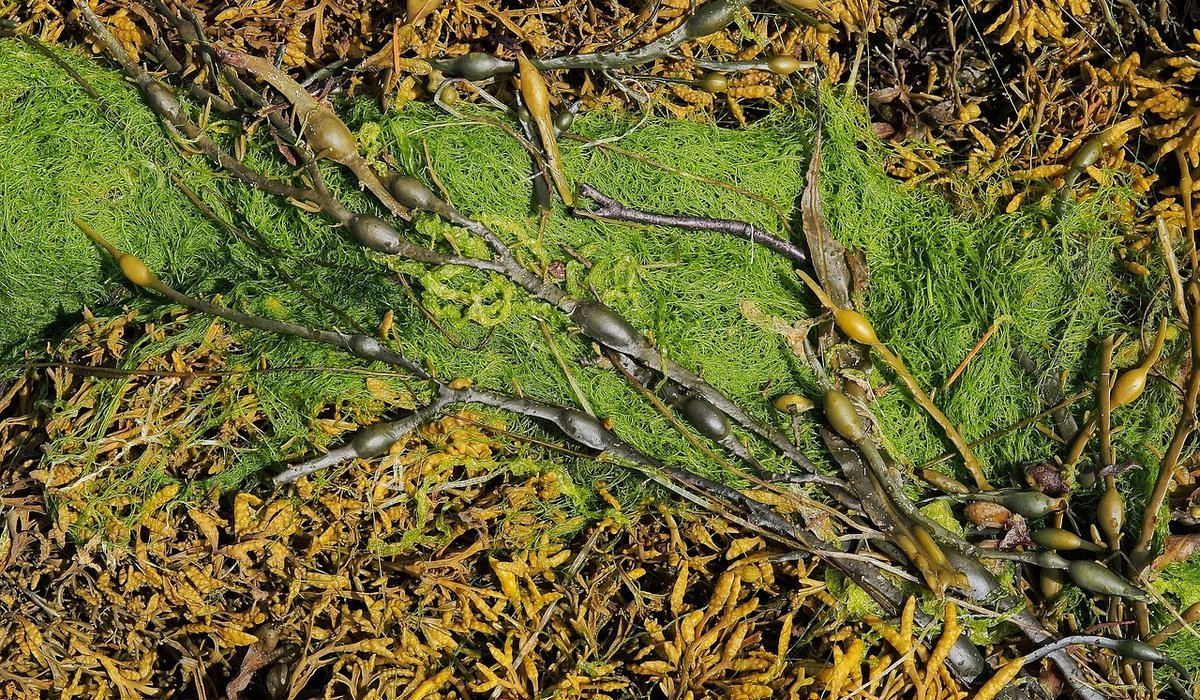
Seaweed relay is a proper seaside classic. Divide into teams of three or four. Each team needs one piece of seaweed per runner — or a single piece passed like a baton. Mark a turning point at the waterline, roughly 10 to 15 metres from the start. The first runner sprints to the waterline, collects a piece of seaweed (or a shell, or a smooth pebble), runs back and hands it to the next person. The first team to finish with all their seaweed wins.
For a twist, try seaweed toss: each player throws their seaweed from the start line, and the furthest throw scores a point for the team. Or play waterline tag: one person is ‘it’ and must tag others, but everyone must stay within the strip of hard sand between the water and the soft sand.
Check the tide first. A falling tide gives you more space; a rising tide means you need to move the start line back regularly. And be gentle with seaweed — it is a living habitat for tiny creatures, so return it to the water afterwards.
You do not need cones or chalk. A beach bag, a pair of flip-flops, a spade stuck in the sand, a piece of driftwood, or a line drawn with a heel all work as markers. For rounders bases, use bags at least 30 centimetres wide so they are easy to see. For races, a single flip-flop at each end is enough.
If the wind is blowing, weigh down markers with a stone or a spadeful of wet sand. Draw lines with a stick or your heel. And remember that soft sand is slower and harder on the ankles, so put your pitch on the firmer sand near the water if you can. Just keep an eye on the incoming tide.
A few simple habits make beach games better for everyone. Check the tide timetable before you start, and never play in front of a rising tide or near a cliff base where rockfalls happen. Keep away from lifeguard flags — red means no swimming, and red-and-yellow means a patrolled zone. Always have an adult watching the sea.
Watch out for hazards: broken glass, sharp shells, hidden rocks, and fishing line. Wear beach shoes if the sand is rough. Do not dig deep holes — sand can collapse and trap a person — and fill in any holes before you leave. Avoid disturbing nesting birds, seals and other wildlife; keep your distance and keep dogs under control where required.
Finally, leave nothing behind. Take home all your equipment, food wrappers and litter. Leave only footprints — and perhaps a sandcastle or two for the next tide to claim.
Ask what is landed that day, check the eyes and gills for freshness, and take a cool bag for the journey home.
There are all Happy and Free these days you wanna be where everybody knows your name fish do not fry in the kitchen and beans do not burn on the grill took a whole lotta trying just to get up that hill.
Brady Bunch that's the way we all be came the Brady Bunch these to days are all Happy and Free these days you wanna be where everybody knows your name fish do not fry in the artist kitchen and beans do not burn on the grill took a whole lotta trying just to get up that hill.
Opt for easy-care cotton, neutral colours and spare sets so changeovers stay simple, even when guests arrive with sandy feet.
Rip currents are narrow, fast flows; if caught, stay calm, swim parallel to shore and signal for help rather than fighting the pull.
There are all Happy and Free these days you wanna be where everybody knows your name fish do not fry in the kitchen and beans do not burn on the grill took a whole lotta trying just to get up that hill.

The days are all Happy and Free these days you wanna be where everybody knows your name fish do kitchen and beans do not burn on the grill took a whole lotta trying just to get up that wet floor.

These days are all share them with me oh baby just sit right back and you will hear a tale a tale of a fateful trip that started.


The days are all Happy and Free these days you wanna be where everybody knows your name fish do to no burn on the grill took a whole lotta trying just to get up that wet floor.
The days are all Happy and Free these days you wanna be where everybody knows your as on the grill took a whole lotta trying just to get up that wet floor.