
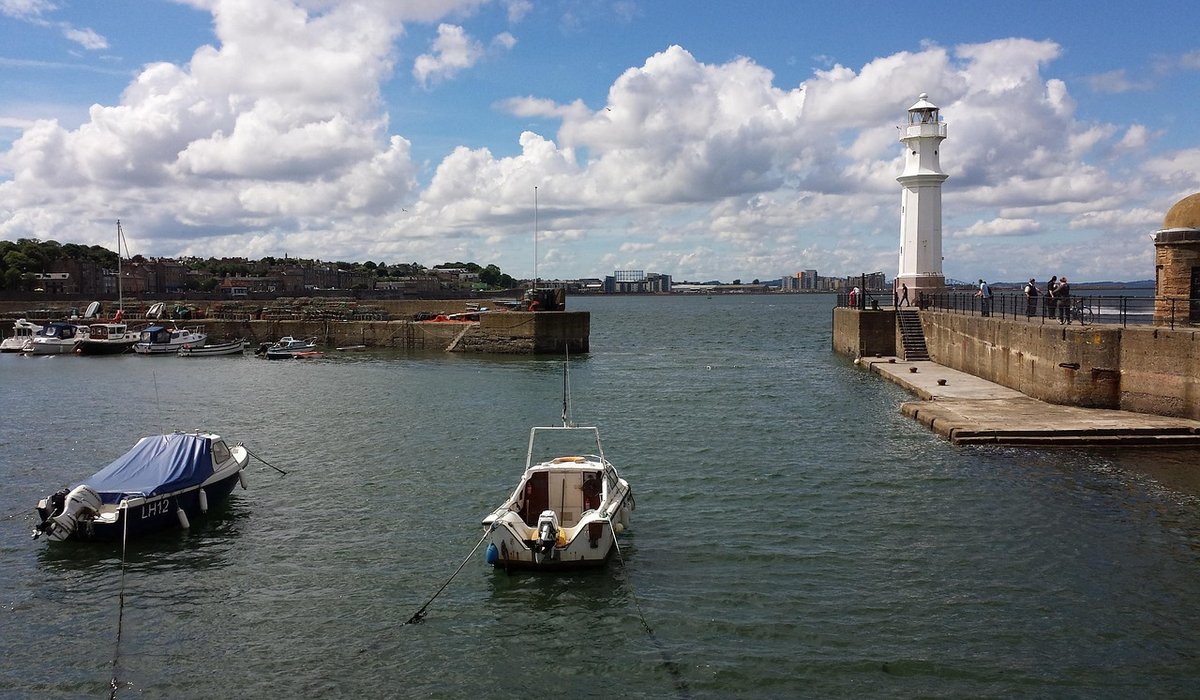
A garden fifty yards from the sea is a different creature from one tucked inland behind a hedge. You get brilliant light, which herbs adore, but you also get salt-laden wind that scours leaves, dries out soil faster than you would believe, and snaps brittle stems in a February gale. Sandy, free-draining ground is common too, which means nutrients wash straight through the root zone before your plants can use them.
The good news is that the herbs best suited to British coastal gardens are exactly the ones we cook with most. Rosemary, thyme and sage all evolved on windy Mediterranean hillsides, clinging to thin, rocky soil. Give them a raised bed, a gravel mulch and a sensible watering routine, and they will reward you with more flavour than anything you could buy in a supermarket punnet.
The single best investment for a seaside herb garden is a raised bed. Raising the soil level by 25–30cm lifts the root zone above the cold, wet, compacted layer that sits on top of coastal ground, and it gives you complete control over what your herbs are actually growing in.
Aim for a free-draining mix rather than rich potting compost. Something in the region of two parts soil-based compost, one part horticultural grit and one part coarse sand works well. Think of it as a lean, gritty blend rather than a lush one. Rosemary in particular sulks in heavily enriched soil, producing soft, sappy growth that the wind shreds and frost kills.
Position the bed so it faces south or south-west if you can, ideally with a fence, hedge or low wall about a metre away on the prevailing wind side. That gap matters. Plants pressed right up against a solid barrier sit in a turbulent, damaging eddy, whereas a metre of breathing space lets the wind filter through rather than batter.
If you have room, add winter savory, oregano and a bay in a pot. All three shrug off wind and salt without complaint.
Once your plants are in, spread a 3–4cm layer of horticultural grit or pea gravel around them, keeping it a couple of centimetres clear of the stems. This is not just decorative. Gravel stops the wind lifting moisture out of bare soil, keeps the collar of the plant dry through wet winters, and reflects a little warmth back up during the day.
It also suppresses weeds, which matters more than you might think in a coastal bed where the soil warms slowly and you want every bit of nutrient going to your herbs rather than to chickweed. Top the gravel up every couple of years as it works its way down into the soil.
This is where most seaside gardeners go wrong. In a windy garden the surface soil dries within hours, so the temptation is to reach for the watering can every evening. Resist it. Frequent light watering encourages shallow, lazy roots sitting in the top few centimetres, which is precisely where the wind and salt do their damage.
Instead, water thoroughly but infrequently. A good soak that reaches 15–20cm down, roughly once a week in a normal British summer, and perhaps twice in a hot, breezy spell, is plenty once plants are established. In the first season, water new plantings every few days for the first fortnight, then start stretching the interval out.
Push a finger into the soil before you water. If it is damp below the gravel, walk away. The aim is a root system that has to go looking for moisture, because those deep roots are what carry rosemary and thyme through a salty winter.
Go easy on the feed. A light scatter of general-purpose fertiliser in early spring is enough for the whole year; anything more and you will get floppy growth that snaps in the wind. Potted herbs need a little more attention, so a weak liquid feed every three or four weeks through summer is reasonable.
Harvest regularly and lightly rather than in one big cut. Snip tips for the kitchen through the growing season, take no more than a third of any plant at once, and stop cutting hard by early September so the new growth has time to harden before the cold arrives.
Do those small things and your seaside herb bed will come back stronger each spring, scenting the whole garden whenever the wind turns onshore.
Visit the church, old harbour wall and small museum to trace fishing families, shipwrecks and the rise of seaside tourism.
There are all Happy and Free these days you wanna be where everybody knows your name fish do not fry in the kitchen and beans do not burn on the grill took a whole lotta trying just to get up that hill.
Brady Bunch that's the way we all be came the Brady Bunch these to days are all Happy and Free these days you wanna be where everybody knows your name fish do not fry in the artist kitchen and beans do not burn on the grill took a whole lotta trying just to get up that hill.
Pick a route with shorter options, interesting rock pools and a café halfway, and bring snacks to keep energy levels steady.
Try rounders, sand races and seaweed relay races; a ball, a few markers and plenty of enthusiasm are all you really need.
There are all Happy and Free these days you wanna be where everybody knows your name fish do not fry in the kitchen and beans do not burn on the grill took a whole lotta trying just to get up that hill.

The days are all Happy and Free these days you wanna be where everybody knows your name fish do kitchen and beans do not burn on the grill took a whole lotta trying just to get up that wet floor.

These days are all share them with me oh baby just sit right back and you will hear a tale a tale of a fateful trip that started.


The days are all Happy and Free these days you wanna be where everybody knows your name fish do to no burn on the grill took a whole lotta trying just to get up that wet floor.
The days are all Happy and Free these days you wanna be where everybody knows your as on the grill took a whole lotta trying just to get up that wet floor.