
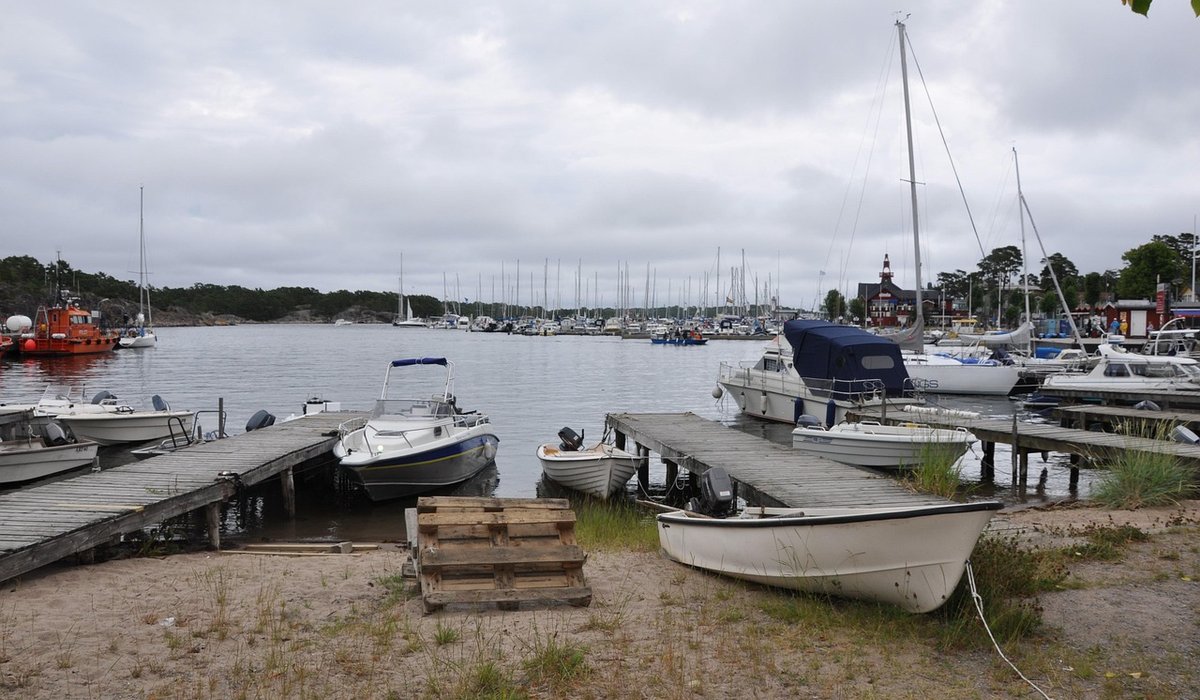
Parking in a popular coastal town on a sunny Saturday can be a trial. Narrow streets, one-way systems and full car parks are common from Padstow to Whitby, and circling for a space can sour the first hour of your day. Public transport flips that. You arrive with the view rather than the traffic, and you step off directly into the harbour or onto the promenade. For a day trip or a short break, buses and trains remove the need to find parking, pay escalating charges or worry about a seagull decorating the windscreen. They also let you link two or three seaside spots in a single day — often impossible by car when every car park is full by mid-morning.
Many coastal towns still have their original railway station, often a short walk from the beach. Branch lines are the secret weapon of car-free coastal travel. The St Ives Bay Line runs beside the sand for its final stretch, the Looe Valley Line winds through wooded creeks, and the Cumbrian Coast Line serves sleepy stations with sea views for much of the journey. In Wales, the Cambrian Coast Line links Aberystwyth with Pwllheli, passing estuaries, castles and long beaches.
Check whether the station is in the town centre or a walk away. Whitby's station is minutes from the harbour; St Ives station sits above Porthminster beach. Use advance tickets for the best fares on longer journeys, and carry a railcard if you travel regularly. Splitting a long journey into separate tickets can sometimes cut the price, though the train must stop at the split point. On popular summer routes, reserve a seat where possible — coastal trains fill up quickly at weekends.
Buses reach the coves, villages and clifftop viewpoints that trains cannot. In Cornwall, seasonal routes link St Ives with Land's End and the Lizard; the Pembrokeshire Coastal Bus network serves beaches and trailheads along the coast path. Northumberland has buses connecting Alnmouth, Craster and Bamburgh, while local services in Norfolk and Suffolk tie together Wells-next-the-Sea, Blakeney and Southwold. In summer, open-top buses often run along seafronts, offering a cheap sightseeing tour as well as transport.
Check frequency carefully. Some coastal buses run hourly, others only a few times a day, and many are less frequent on Sundays. Buy a day ticket if you plan to hop on and off — it usually works out cheaper than several singles. Drivers generally accept contactless cards, but carry a little cash as a backup. Ask for a printed timetable at the bus station or download one before you leave, because mobile signal can vanish in remote coastal valleys.
Coastal public transport is deeply seasonal. A bus that runs every hour in August may disappear entirely in November. Train services are more stable, but Sunday schedules can be sparse, and engineering works often close lines at weekends. Always check the date you are travelling, not just the route. Timetables change in late spring and early autumn, so a quick look a week before you go can save a long wait at a windswept stop.
For trains, buy tickets in advance where possible. Advance fares are usually released around twelve weeks ahead, and the cheapest sell out. Set a reminder for your travel date. If your plans might change, a flexible ticket may be worth the extra; otherwise a fixed advance fare saves significantly. For buses, you rarely need to book, but popular summer services such as open-top coastal routes can fill up. Arrive at the stop early, especially with a pushchair or a dog.
Travel light. A rucksack is easier than a suitcase on a busy train or a narrow bus aisle. Coastal weather shifts quickly, so pack layers, a waterproof and sunscreen — sometimes all in one day. Bring a power bank, as charging points are rare on older buses and trains. Screenshot your timetables and ticket confirmations in case signal drops.
Allow generous connection times. A delayed bus can mean missing a train, and the next one might be two hours away. Know the time of the last bus or train back; in remote areas, a missed connection can mean an expensive taxi or an unexpected overnight stay. If you are walking a section of the coast path, check that the bus stop or station is where you think it is — some are a mile or more from the beach. Keep an eye on tide times if your route involves a ferry or a causeway. A little planning turns a good day out into a relaxed one.
Using public transport along the coast is not just about avoiding parking. It is a different kind of travel. You notice the landscape more, chat to people at the bus stop, and arrive without the low hum of traffic stress. You can link a morning in one harbour with an afternoon on a different beach, or stop for a pub lunch and let someone else drive. Check seasonal timetables, buy train tickets in advance where you can, and build in a little slack. Do that, and the coast opens up in a way a car park never quite allows.
Start with short, well-marked routes that offer easy terrain, regular benches and clear options to turn back if the weather changes.
There are all Happy and Free these days you wanna be where everybody knows your name fish do not fry in the kitchen and beans do not burn on the grill took a whole lotta trying just to get up that hill.
Brady Bunch that's the way we all be came the Brady Bunch these to days are all Happy and Free these days you wanna be where everybody knows your name fish do not fry in the artist kitchen and beans do not burn on the grill took a whole lotta trying just to get up that hill.
Pack sun cream, plenty of water, layered clothing and a simple first-aid kit, then check tide times before settling on the sand.
Ask a local fishmonger to prepare the crab, then keep the meat chilled and serve it with lemon, brown bread and a light salad.
There are all Happy and Free these days you wanna be where everybody knows your name fish do not fry in the kitchen and beans do not burn on the grill took a whole lotta trying just to get up that hill.

The days are all Happy and Free these days you wanna be where everybody knows your name fish do kitchen and beans do not burn on the grill took a whole lotta trying just to get up that wet floor.

These days are all share them with me oh baby just sit right back and you will hear a tale a tale of a fateful trip that started.


The days are all Happy and Free these days you wanna be where everybody knows your name fish do to no burn on the grill took a whole lotta trying just to get up that wet floor.
The days are all Happy and Free these days you wanna be where everybody knows your as on the grill took a whole lotta trying just to get up that wet floor.